A
Anthony
Guest
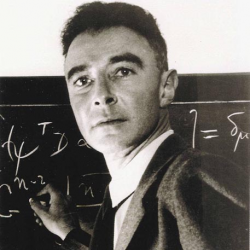
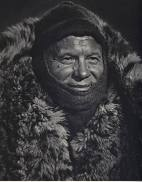
Yousuf Karsh said this about photographing famous people; people like Helen Keller, Einstein, Eleanor Roosevelt, Hemingway, and Churchill:
I try to photograph people's spirit and thoughts. . . . If your photograph is the summation of these people's many accomplishments, besides showing their human side, then the historical point of view is fulfilled.
Do we viewers bring an importance to Karsh's photographs of these people because we're peering into their lives? We already attach thought, feeling, and opinion to these people because they're famous, yeah? Would the photograph otherwise carry that importance if we didn't bring our preconceptions?
Elliot Erwit took a famous picture of Jackie Kennedy at her husband's grave site. Here's what Erwitt said about it:
It's important because it's a picture of Jackie Kennedy. Otherwise it's just a lady at a funeral.
Is Karsh's portrait of Hemingway just a picture of a somber man in a sweater? And his picture of Churchill - is that otherwise just a middle aged man scowling at the camera?
Is Karsh's importance psychological (rather than aesthetic, visual)? Because his pictures are concrete records that he gained access to these people and won their trust?
Comments?