


- Joined
- Sep 25, 2017
- Messages
- 378
Following on from the Andrew Sanderson discussion, which started to go a bit off-piste 
One of these images has been has been subject to more "manipulation" than the other:
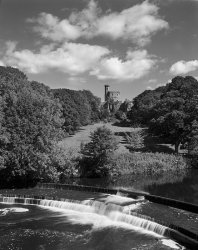
This is a straight scan from a B&W neg with multiple masked curve layers, as per dodging and burning under an enlarger.
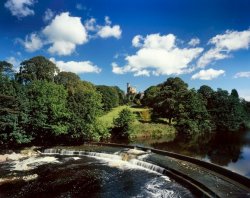
This is composed of three Velvia 100 transparencies, one of which makes up the majority of the image; a second which was exposed for the white water over the weir and a third for the shadows under the trees (there really is more shadow detail in the full size images). All three scanned and then merged in Photoshop.
Given that Velvia 100 only has around 5 stops range and the scene had around 7-8, should such manipulation be regarded as "cheating" or as using expertise to circumvent a technical difficulty?
One of these images has been has been subject to more "manipulation" than the other:
This is a straight scan from a B&W neg with multiple masked curve layers, as per dodging and burning under an enlarger.
This is composed of three Velvia 100 transparencies, one of which makes up the majority of the image; a second which was exposed for the white water over the weir and a third for the shadows under the trees (there really is more shadow detail in the full size images). All three scanned and then merged in Photoshop.
Given that Velvia 100 only has around 5 stops range and the scene had around 7-8, should such manipulation be regarded as "cheating" or as using expertise to circumvent a technical difficulty?

