- Joined
- Aug 6, 2016
- Messages
- 1,714
Is this the same as the Kodak Tri-X 400?.
Dated: 1991 - Any advice on development, HC110 or Pyrocat HD?
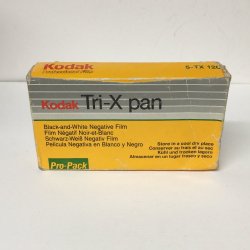
Dated: 1991 - Any advice on development, HC110 or Pyrocat HD?

Follow along with the video below to see how to install our site as a web app on your home screen.

Note: This feature currently requires accessing the site using the built-in Safari browser.
Avoid D-23 as it is a low contrast developer.
Ian


You'll need a Nikkor stainless reel and a way to suspend it off the bottom of the tank - an inverted small funnel will do.
I'm curious why you need to suspend the stainless reel off the bottom of the tank. I never do. Am I missing a trick?
